Special Lecture of Tetsuya Kobayashi (238th Meeting of the Opera Research Group)
English follows Japanese
舞台と客席の関係の過去と未来:小林徹也
発表要旨
演じるものと観るものがいれば、そこは舞台と客席となり劇場空間となる。舞台と客席の関係は基本的には対面形や取囲み形を基本としているが、規模や用途、時代により様々な形態が見受けられる。誰が演じ、誰が観ているのか、舞台とは芸術なのかメディアなのか、舞台を取り巻く社会はどのように変化するのか、どこまでが舞台美術でどこからが劇場建築なのかなど、過去の事例をみながら、舞台と客席の関係を連続的に繋ぐのではなく、各時代の多様性と端緒も受け入れ、いくつかのキーワードで結びつけ、見え隠れする舞台と客席の新しい関係の可能性を模索する。
また透視図の技術や、舞台を取り囲む馬蹄形やスレッジの建築技術、更には舞台が客席を取り囲んでしまうイマーシブや、映像やモーションキャプチャー等の先端技術にもふれながら、演じるとは、観るとはという行為そのものの未来も模索する。
開催概要
- 日 時:2026年11月14日(土)14:00-16:00
- 場 所:早稲田大学西早稲田キャンパス52号館102教室 およびZoom配信
- 発表者:小林徹也
- 所属/役職:株式会社シアターワークショップ 劇場プロデュース部門執行役員
- 言 語:日本語
- 司 会:石井道子(早稲田大学)
- 主 催:早稲田大学総合研究機構 オペラ/音楽劇研究所
発表者プロフィール
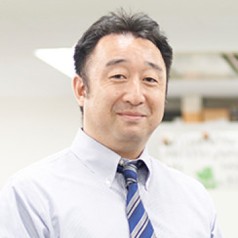
1973年東京都生まれ、1996年早稲田大学理工学部建築学科卒業、1998年早稲田大学院理工学研究科建築学科修士課程修了(建築史研究室)、1999年~株式会社シアターワークショップ在籍。公共と民間、小劇から大劇場まで、数多くのプロジェクトの建設に参画し、新たな舞台と客席の関係や文化施設のあり方を提案し続けている。「19世紀末ドイツ語圏の市立劇場の研究」、「旧帝国劇場の復元研究」(早稲田大学演劇博物の旧帝劇1/50模型製作。早稲田大学演劇博物館企画展「よみがえる帝国劇場展 ―図面・模型を中心として―」2002年など。
実績
帝国劇場(建設中)、Rumah Budaya Indonesia Kaya(建設中インドネシア、ジャカルタ)、立川ステージガーデン、大阪新歌舞伎座、御園座、サンケイホールブリーゼ、COOL JAPAN PARK OSAKA、IMMシアター、吉祥寺シアター、あうるすぽっと、赤坂レッドシアター、早稲田小劇場どらま館、大隈記念講堂(改修)、高崎芸術劇場、茅野市民館等。
参加申込み方法
Zoom参加には事前登録が必要です。参加希望者はできるだけ前日の11月13日(金)までに以下のURLから事前登録をしてください。
URL: https://list-waseda-jp.zoom.us/meeting/register/iQipQi4ST5yeEHAWncTTbw
※Zoom自動登録制です。主催者側からはズーム招待状をお送りしません。(なお飛び入り参加も可能です。)
※ご出席の際フルネームの表示をお願いします。発言時以外はミュートおよびビデオ・オフにしてください。スクリーンショット撮影、録音、録画等は厳にお控え願います。また司会者の指示にしたがってください。
問合せ先
早稲田大学総合研究機構オペラ/音楽劇研究所:https://prj-opera-mt.w.waseda.jp/
e-mail address: operaken-uketsuke[at]list.waseda.jp ([at] = @)
(この例会案内は Facebookと X(旧Twitter)でも発信されます。
Special Lecture of Tetsuya Kobayashi (238th Meeting of the Opera Research Group)
The Past and Future of the Stage-Audience Relationship: Tetsuya KOBAYASHI
Abstract
How are theatrical spaces created? It begins with the simple presence of those who perform and those who watch—the essential elements that define the stage and audience. Fundamentally, this relationship has two main configurations: face-to-face and the surroundings. Over time, diverse architectural forms, shaped by scale, purpose, and the spirit of each era, have emerged.
Who performs, and who observes? Is the stage an art form or a medium? How does the society surrounding the theater evolve? Where does stage design end and theater architecture begin, and where lies the boundary between them?
In this lecture, we shall explore the answers to these questions by examining historical precedents. Rather than forcing a single, linear narrative onto the stage-audience relationship, we shall embrace the diversity and distinct origins of each era. By connecting key themes, we seek to uncover new possibilities for how performers and audiences interact.
Furthermore, this discussion shall incorporate architectural perspectives. It ranges from perspective drawing techniques to the structural design of horseshoe layouts and scenery wagons. It also covers modern immersive theater, where the stage surrounds the audience, as well as innovative technologies, such as video and motion capture. Ultimately, we shall ponder the future of the act of “watching” itself.
Event Outline
- Time and Date: November 14th (Sat.) 2026, 14:00 – 16:00 (JST)
- Format: Hyflex (On-Campus and Online meeting (Zoom))
- Presenter: Tetsuya KOBAYASHI
- Affiliation: Theatre Workshop Co., Ltd.
- Title: Corporate Officer
- Venue: Waseda University, Nishi-Waseda Campus, Room 102 of Building 52
*No advance registration is required. - Moderator: Michiko ISHII
- Language: Japanese
- Organized by: Waseda Institute of Research in Opera and Music Theatre (WIROM), Comprehensive Research Organization, Waseda University
Profile of Presenter
Tetsuya KOBAYASHI was born in Tokyo in 1973, he graduated from the Department of Architecture, School of Science and Engineering, Waseda University in 1996, and completed his master’s degree in architecture (Architectural History Laboratory) at Waseda University’s Graduate School of Science and Engineering in 1998. He has been with Theatre Workshop Co., Ltd. since 1999. Involved in the development of numerous projects ranging from public to private, and small to large theaters, he continues to propose innovative relationships between the stage and audience, as well as new approaches to cultural facilities.
He conducted research on municipal theatres in German-speaking regions in the late 19th century and was also involved in the museum’s restoration research project of the former Imperial Theatre.
Archtectural Projects
Imperial Theatre (under construction), Rumah Budaya Indonesia Kaya (under construction; Jakarta, Indonesia), TACHIKAWA STAGE GARDEN, Osaka Shin-Kabukiza Theatre, Misonoza, Sankei Hall Breeze, COOL JAPAN PARK OSAKA, IMM THEATER, Kichijoji Theatre, Owlspot Theatre, Akasaka RED/THEATER, Waseda Shogekijo Dramakan Theater, Okuma Memorial Auditorium (Renovation), Takasaki City Theatre, Chino Cultural Complex … and others
Registration
Registration is required by November 13th (Fri.) for online participants. Please complete your registration via the provided URL.
https://list-waseda-jp.zoom.us/meeting/register/iQipQi4ST5yeEHAWncTTbw
*Please show your full name on the display, mute yourself, and turn off the video, except when talking; refrain from taking screenshots, recordings, etc., and follow the moderator’s instructions.
Contact
Waseda Institute of Research in Opera and Music Theatre (WIROM), Comprehensive Research Organization, Waseda University: https://prj-opera-mt.w.waseda.jp/
e-mail address: operaken-uketsuke[at]list.waseda.jp ([at] = @)
You can also find this information on Facebook and X(Twitter).